In our fast-paced, goal-oriented society, it’s easy to overlook the simple yet profound practice of gratitude. However, adopting an attitude of gratitude can significantly enhance your mental well-being, fostering a more positive outlook on life and improving your overall happiness. Here’s why gratitude is so powerful and how you can cultivate it in your daily life.
The Science Behind Gratitude and Mental Health
Research consistently shows that gratitude is linked to a variety of mental health benefits. Studies have found that individuals who regularly practice gratitude experience fewer symptoms of depression and anxiety, enjoy better sleep, and have higher levels of happiness and life satisfaction. Gratitude can also boost your physical health by strengthening the immune system and reducing stress.
Gratitude works by shifting your focus from what you lack to what you have. This simple shift in perspective can change your brain’s chemistry, promoting the release of dopamine and serotonin—two neurotransmitters that play a crucial role in regulating mood.
Practical Ways to Cultivate Gratitude
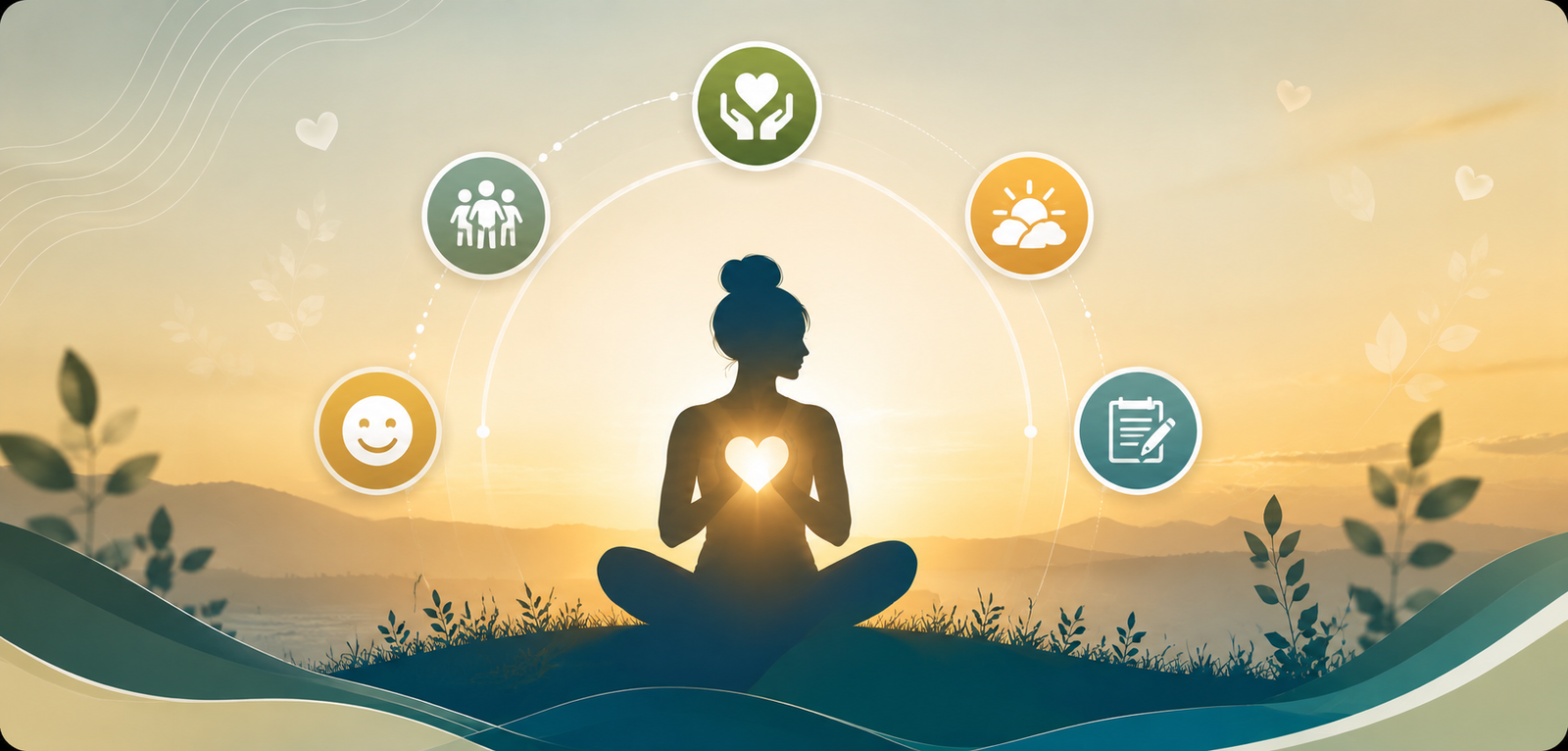
- Keep a Gratitude Journal: Dedicate a few minutes each day to write down three to five things you’re grateful for. They can be as simple as a warm cup of coffee or as significant as a supportive friend. Over time, this practice can help you develop a habit of looking for the good in every situation.
- Express Appreciation: Make it a point to thank the people in your life. Whether it’s a handwritten note, a text message, or a heartfelt conversation, expressing your appreciation strengthens relationships and fosters a sense of connectedness.
- Mindfulness Meditation: Incorporate mindfulness practices into your routine. Spend a few moments each day meditating on the things you are grateful for. This can help anchor your thoughts in the present and cultivate a deeper sense of contentment.
- Reframe Challenges: When faced with difficulties, try to find something positive in the situation. This doesn’t mean ignoring the challenges but rather looking for the silver lining or the lesson that can be learned. Over time, this reframing can help build resilience.
- Gratitude Rituals: Establish daily or weekly rituals that remind you to be grateful. This could be a gratitude jar where you drop in notes about things you’re thankful for, or a family tradition of sharing gratitudes at dinner time.
The Ripple Effect of Gratitude
Gratitude doesn’t just benefit you; it also has a positive impact on those around you. When you express gratitude, it creates a ripple effect, encouraging others to adopt a similar attitude. This can lead to a more positive and supportive community, whether it’s within your family, workplace, or social circle.
Overcoming Barriers to Gratitude
While gratitude is a powerful tool, it’s not always easy to practice, especially during tough times. Here are a few tips to help you overcome common barriers:
- Start Small: If you’re finding it hard to feel grateful, start with small things. Gradually, you’ll begin to notice more and more positive aspects of your life.
- Be Patient: Cultivating gratitude is a process. It might take time before you start to feel the benefits, so be patient with yourself.
- Seek Support: If you’re struggling with significant mental health issues, consider seeking support from a therapist or counsellor. They can provide additional strategies and support.
Conclusion
Cultivating an attitude of gratitude is a simple yet profound way to enhance your mental well-being. By focusing on the positive aspects of your life, expressing appreciation, and integrating gratitude into your daily routine, you can foster a more positive mindset and improve your overall happiness. Remember, gratitude is a practice, not a one-time act. Start today, and watch how it transforms your life.
-Pooja Vaswaney